
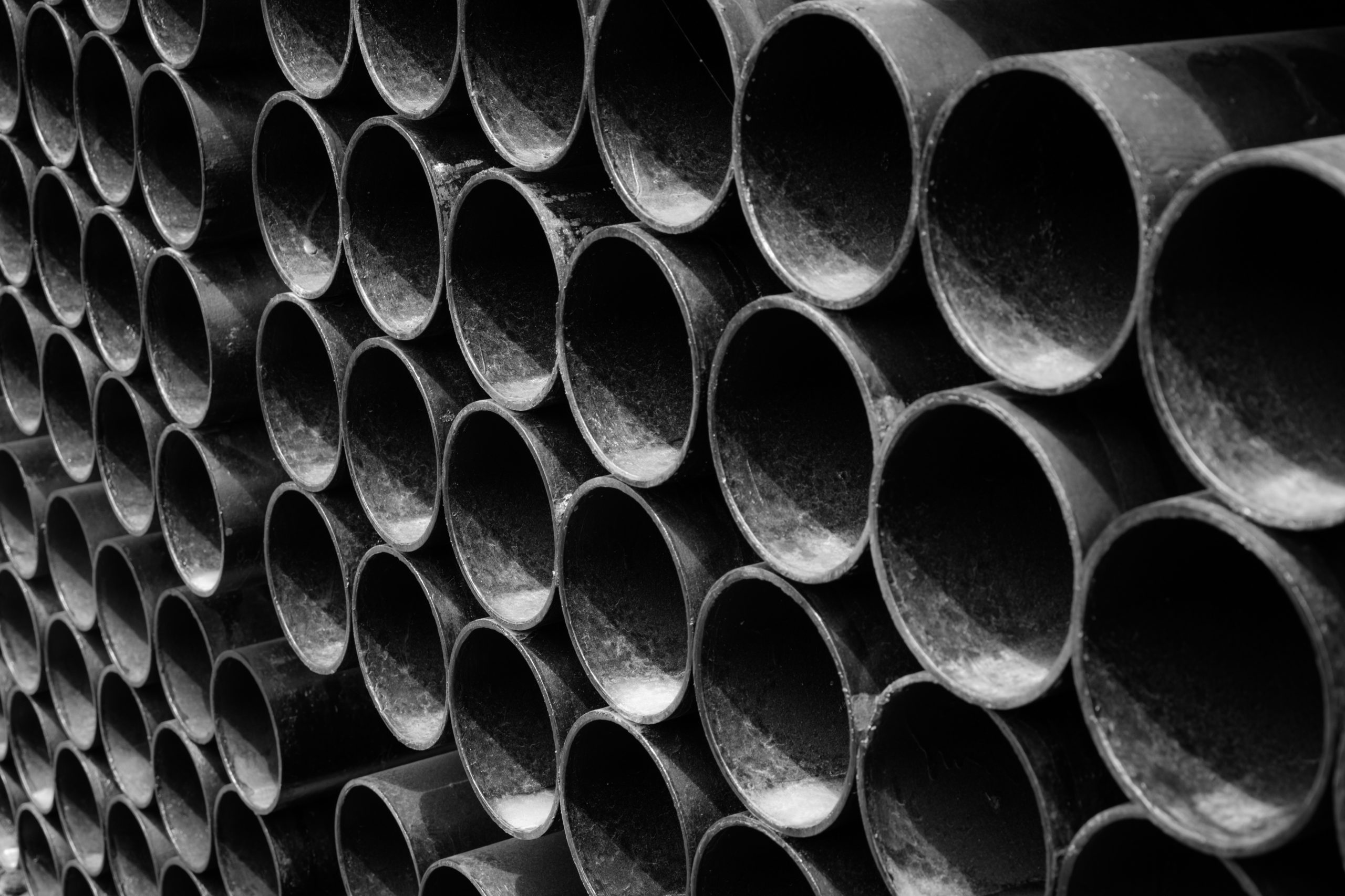
In the evolution of global infrastructure, buried assets like piping systems play a crucial role in ensuring reliability, especially in densely populated urban areas and remote industrial locations. The shift from traditional rigid materials to flexible, high-density polyethylene (PE) systems is becoming more evident as the need for durability and leak-free performance intensifies. Observations from CHUANGRONG, a CE Certified PE pipe manufacturer, suggest a trend toward specialized, application-specific engineering. This transition is apparent in diverse tasks, from municipal water networks in Bangladesh to complex dredging operations in Malaysia, where the demand for PE pipes that endure environmental stresses while adhering to global safety standards is increasingly prominent.
Modern piping industry practices are moving away from uniform manufacturing to material evolution tailored to specific mechanical needs. CHUANGRONG exemplifies this approach with its expansive production capabilities, running over 100 pipe production lines and 200 sets of fitting equipment. The company offers a wide range of specifications, with pipe diameters from 20mm to 1600mm and various Standard Dimension Ratio (SDR) classes. This allows engineers to meet precise pressure requirements. For example, high SDR ratings are used for sand mining projects to enhance burst resistance, while lighter configurations are optimized for irrigation, ensuring that infrastructure aligns with both budget constraints and environmental demands.
Quality traceability is integral to maintaining international standards, and CHUANGRONG’s CE certification underscores a commitment to a transparent quality chain. In a world where infrastructure is expected to last over 50 years, tracing a PE pipe back to its raw material batch and production parameters is vital for risk management. CHUANGRONG’s robust quality management system supports a production capacity exceeding 100,000 tons, ensuring that all products meet stringent international norms. This includes rigorous testing for properties such as melt flow rate, density, and long-term hydrostatic strength, providing project stakeholders with a reliable “paper trail” that assures consistency and reliability, crucial for international utility sectors where the cost of failure is high.
The role of PE pipe manufacturers has expanded beyond mere product supply to becoming providers of specialized technical knowledge. CHUANGRONG, for instance, emphasizes systemic integrity, which relies on the quality of joints and installation precision. The company aids field operators with a comprehensive library of technical guides, sharing experiences from varied climates like high-pressure water projects in Dhaka to infrastructure initiatives in Africa. These practices help local contractors execute welding to high standards, reducing the risk of joint failures, a common cause of pipeline leaks.
Looking ahead, the focus shifts to the environmental impact of infrastructure, with CHUANGRONG’s polyethylene products positioned as sustainable choices due to their corrosion resistance and non-leaching characteristics. Unlike metallic pipes that require frequent replacements due to rust, PE pipes offer a longer service life, minimizing disruptive excavations. By managing six major systems—water, gas, dredging, mining, irrigation, and electricity—CHUANGRONG supports global green energy and resource management efforts. This approach aims to create a reliable, efficient transport system that matches the significance of the resources being moved, showcasing the company’s proactive role in building resilient global communities.