
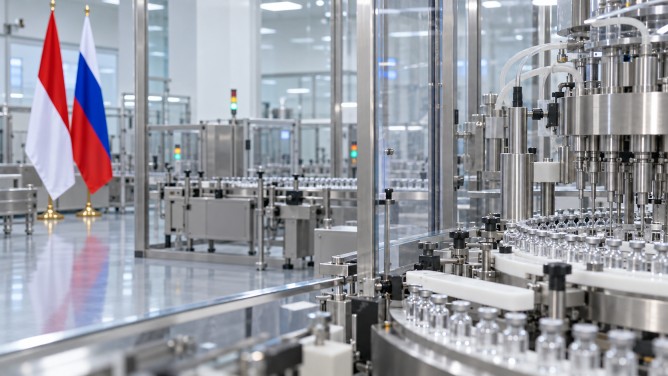
Indonesia and Russia are in talks to collaborate on pharmaceutical technology transfers, aiming to bolster domestic medicine production and diminish dependence on imports. This initiative was discussed in a meeting between Indonesia’s Food and Drug Authority (BPOM), led by Taruna Ikrar, and Russian Deputy Minister of Industry and Trade, Alexey Vladimirovich Gruzdev.
The discussions focused on enhancing pharmaceutical manufacturing and quality inspections, as well as adopting digital technologies to improve product safety and traceability. Indonesia emphasized the need to expand local production of diabetes treatments such as insulin and glucagon-like peptide-1 (GLP-1) medicines to ensure better access to essential health care products. Potential areas for cooperation also include cancer treatments, monoclonal antibodies, antiviral medicines, and advanced biotechnology products.
Russian companies have shown interest in transferring technology and possibly setting up manufacturing facilities in Indonesia, particularly for insulin, oncology medicines, and biotechnology products. They have also submitted product registration documents to BPOM, indicating a commitment to entering the Indonesian market.
Moreover, the two countries reviewed their ongoing cooperation regarding Good Manufacturing Practice (GMP) inspections, technical training, and information sharing. A memorandum of understanding is being considered to establish a framework for deeper collaboration. Russia proposed the mutual recognition of GMP certificates to simplify regulatory procedures, a suggestion that will require further discussions to ensure alignment between the two countries’ regulatory systems.
To enhance Indonesia’s inspection capabilities, Russia offered technical training, including the use of virtual reality-based simulations to prepare inspectors for pharmaceutical manufacturing assessments. Discussions also included digital regulatory systems and supply-chain monitoring, with both countries expressing interest in continuing negotiations and expanding cooperation through additional meetings and visits to pharmaceutical manufacturing facilities.