
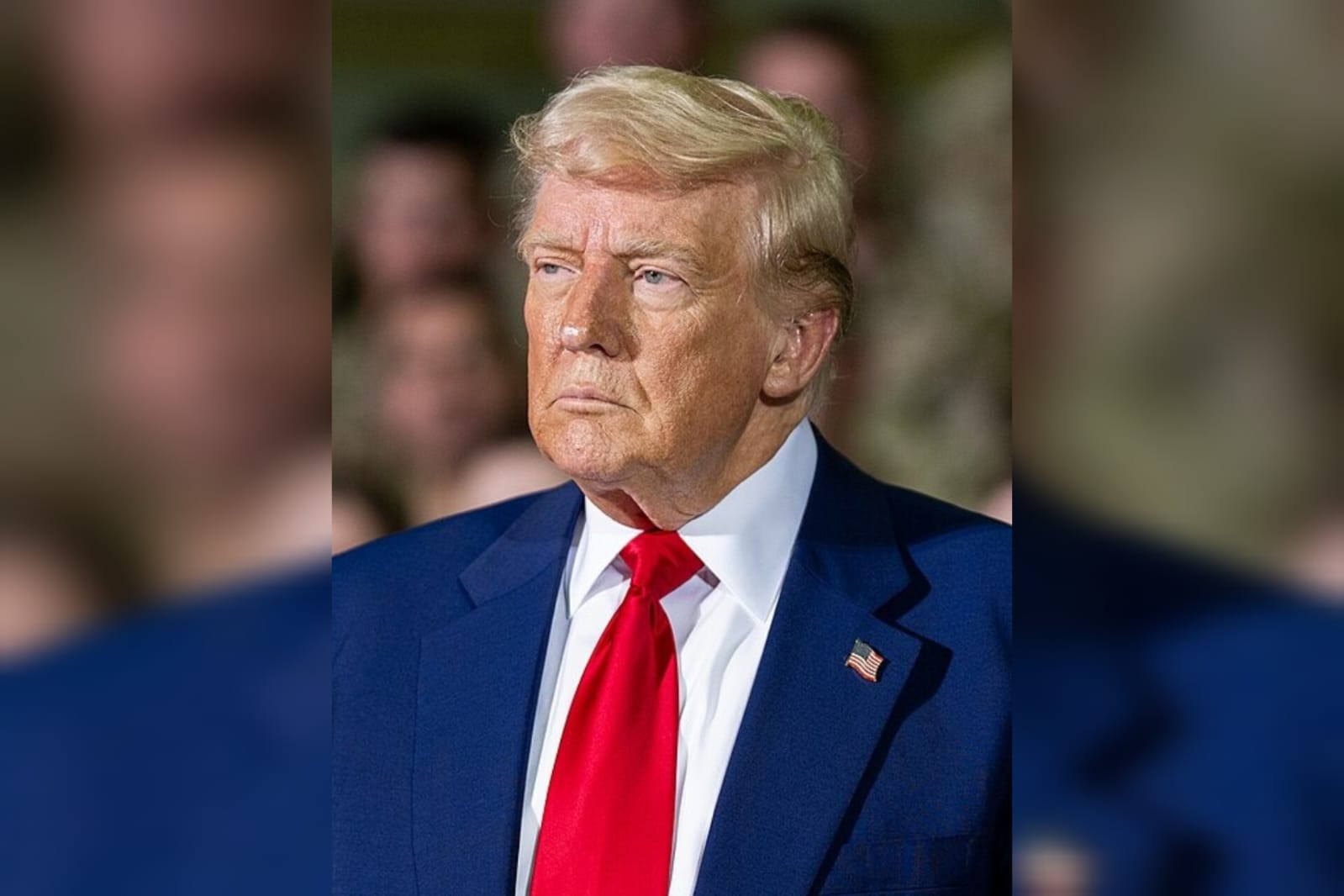
In a significant diplomatic development, U.S. President Donald Trump announced a newly signed agreement with Iran, asserting that it drastically reduces security threats to Israel. Speaking after the signing of the 14-point memorandum, Trump assured Israeli Prime Minister Benjamin Netanyahu that the deal effectively neutralizes the risk of a nuclear attack from Tehran. He emphasized that the agreement addresses Israel’s primary concern of an Iranian nuclear strike, describing it as a critical security guarantee that ensures Israel won’t face a nuclear threat.
Trump highlighted that he discussed the agreement directly with Netanyahu prior to its signing, presenting it as a strategic measure to bolster Israel’s long-term security. He expressed confidence that Israel would appreciate the outcome, despite the persistent regional tensions. The agreement initiates a 60-day negotiation period focused on Iran’s nuclear program, while also aiming to reopen key trade routes and ease certain sanctions, with additional provisions concerning regional stability.
However, specific contentious issues, such as Israel’s military operations in Lebanon, remain unresolved and politically sensitive. The U.S. administration has touted the deal as a major security achievement, but reactions within Israel have been mixed. Critics argue that reducing pressure on Iran could potentially enhance its regional influence, while proponents of diplomatic engagement suggest it might lower the risk of broader conflict.
Domestically, Israeli leadership is encountering criticism over its regional policy, with political adversaries claiming that recent events reflect strategic missteps. As negotiations continue, the complete implementation and long-term effects of the agreement are still uncertain. This diplomatic effort marks a pivotal moment in U.S.-Iran relations, with potential implications for regional stability and security dynamics.