
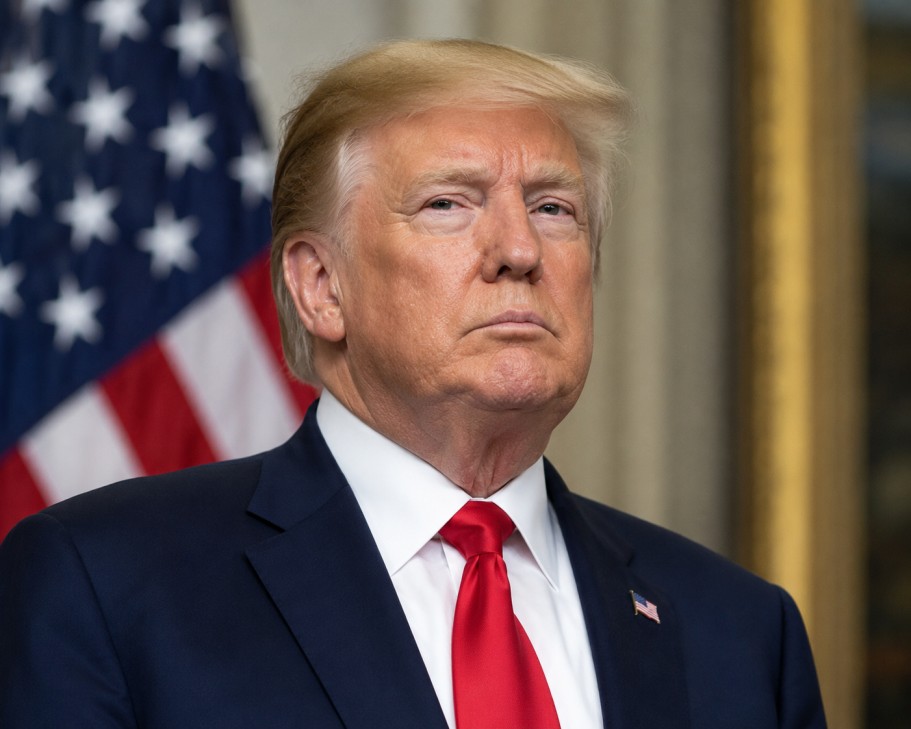
The ambitious Gaza recovery initiative, initially envisioned as a comprehensive reconstruction effort across the entire region, has been scaled back to a more modest pilot project situated near Rafah in southern Gaza. Originally championed by the Board of Peace under US President Donald Trump, this limited approach aims to provide temporary shelter for thousands of displaced Palestinians. The plan includes the formation of a Palestinian civilian administration, a locally trained police force, and the deployment of an international stabilization force to oversee the operations.
Despite these plans, officials have indicated that the project will likely not be operational until the end of 2026. Preparations have been sluggish, with the development of logistics infrastructure ongoing near the Kerem Shalom crossing. As of now, the actual construction of the pilot camp has not begun. The success of the project heavily depends on several volatile factors, including the political and security climate post-Israel’s upcoming elections.
The initiative has encountered numerous obstacles, such as ongoing hostilities, limitations on humanitarian access, and disagreements over the terms of reconstruction and security. These challenges extend to debates about the future governance of Gaza, further complicating the pathway to recovery.
Efforts are underway to secure the necessary funding and establish an international security force to ensure the project’s success. Diplomatic negotiations aim to reach consensus on humanitarian access and long-term stability. However, uncertainty looms over financial backing, the execution of plans, and the broader political landscape, leaving the future of the initiative in question.