
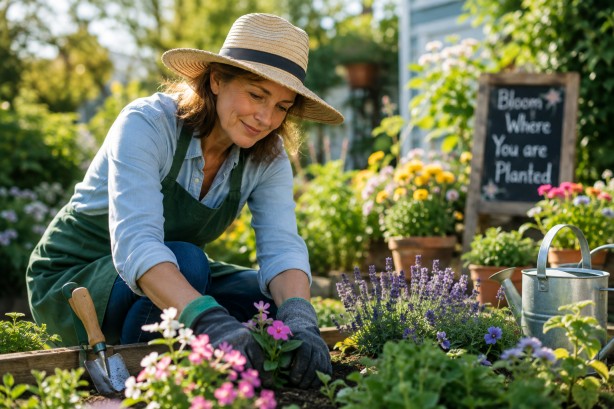
Gardening is more than just a pastime for cultivating beautiful landscapes; it offers a multitude of benefits that positively impact both mental and physical health. The activity blends physical exertion, sensory engagement, and a connection with nature, which together contribute to enhanced well-being. Research highlights several advantages of gardening, underscoring its potential to support a healthier lifestyle.
One significant benefit of gardening is its support for cognitive health. Engaging in tasks such as selecting plants, remembering care routines, and working with the soil requires a combination of movement, planning, and sensory involvement, which can stimulate mental faculties. Studies suggest that the fusion of physical activity and mental engagement inherent in gardening can lead to improved cognitive function.
Gardening also plays a crucial role in stress reduction. The calming influence of greenery and the peaceful activities associated with gardening, like watering and pruning, can offer an escape from everyday pressures. By reducing stress, gardening contributes to better overall health, making it a valuable addition to a balanced lifestyle aimed at maintaining mental well-being. Furthermore, the act of nurturing plants provides a sense of purpose and accomplishment, which has been linked to improved mood and life satisfaction.
Physically, gardening serves as an effective means of incorporating more movement into daily routines. Tasks such as digging, planting, and carrying soil engage various muscle groups, thereby increasing physical activity levels. This can be particularly beneficial for individuals who lead sedentary lifestyles, as gardening provides a practical way to stay active while achieving meaningful tasks. Additionally, the time spent outdoors during gardening exposes individuals to sunlight, promoting the production of vitamin D, which is vital for bone health and immune function, though precautions should be taken to protect against excessive sun exposure.
The long-term health prospects of regular gardening are also noteworthy. The combination of physical activity, stress reduction, and outdoor exposure associated with gardening may contribute to better cardiovascular health and lower the risk of certain lifestyle-related conditions, particularly among older adults. While gardening alone cannot ensure longevity, incorporating it into a routine can support healthier aging as part of a balanced lifestyle. Importantly, gardening does not require extensive space or expertise; even small-scale projects like growing herbs or maintaining indoor plants can offer the same benefits, making it an accessible and rewarding way to integrate physical activity and relaxation into daily life.